How to Prepare Your Home for a Babysitter: The Ultimate Parent Checklist
Handing your child over to a babysitter shouldn’t feel rushed, stressful, or uncertain. Yet for many parents, the moment before walking out the door is filled with rapid-fire reminders, half-explained routines, and the lingering thought: I hope I didn’t forget something important.
The truth is, a well-prepared home sets everyone up for success — the babysitter, your child, and you. Preparation isn’t about being perfect. It’s about being clear, calm, and organized.
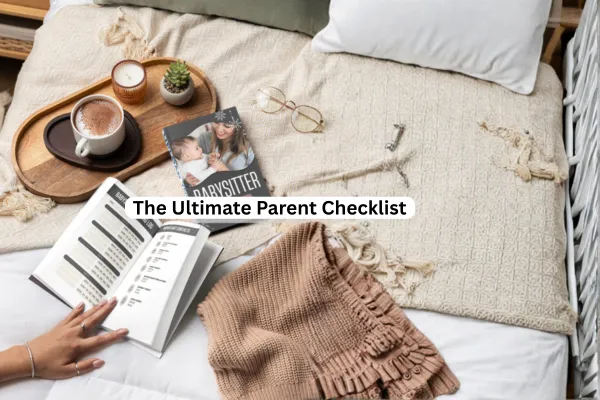
Here’s the ultimate, parent-approved checklist to prepare your home for a babysitter — and how a Babysitter Planner makes the entire process effortless.
Take a Look Inside the Planner
Why Preparing Your Home Matters More Than You Think
Children thrive on consistency. Babysitters thrive on clarity. When either is missing, stress creeps in fast.
Preparing your home ahead of time:
Reduces last-minute questions
Prevents safety oversights
Helps babysitters follow routines accurately
Allows children to feel secure
Gives parents peace of mind while away
A Babysitter Planner turns preparation into a repeatable system — not a mental checklist you have to recreate every time.
Step 1: Create a Clear Family Overview
Start with the basics. Before a babysitter worries about snacks or screen time, they need to know how to reach you and what to do in an emergency.
Your family overview should include:
Parent or guardian names
Phone numbers and email addresses
Home address
Emergency contact
Preferred hospital or urgent care
Wi-Fi name and password
When this information is written down and easy to find, babysitters don’t have to panic or search for answers.
Step 2: Document Your Child’s Daily Routine
No two children have the same rhythm — and routines matter more than we often realize.
A prepared home clearly outlines:
Meal and snack times
Nap and bedtime schedules
Diaper, potty, or bathroom routines
Transitions between activities
Comfort items or calming strategies
Using a Babysitter Planner to map out daily routines helps babysitters maintain normalcy, which keeps kids calm and cooperative.
Step 3: Share Medical & Safety Information Up Front
This is one of the most important — and often overlooked — steps.
Make sure your babysitter has access to:
Allergies and reactions
Medications, dosages, and timing
Pediatrician contact information
Emergency instructions
Clear guidance on when to call parents versus emergency services
In high-pressure moments, written instructions reduce hesitation and save precious time.
Step 4: Set Household Rules and Boundaries
Babysitters want to respect your home — but they can’t read your mind.
Preparing your home means clearly defining:
Screen-time rules
Approved shows or apps
Indoor and outdoor play boundaries
Off-limit rooms or spaces
Pet care instructions
Safety rules like locked doors or no running indoors
When expectations are clear, babysitters can focus on care instead of second-guessing.
Step 5: Organize Supplies and Home Layout
Don’t assume a babysitter knows where things are.
Take a few minutes to document:
Where diapers, wipes, and extra clothes are stored
First-aid kit location
Cleaning supplies
Baby monitor instructions
Kitchen and feeding guidelines
This small step prevents unnecessary interruptions and keeps routines flowing smoothly.
Step 6: Leave Daily Logs for Communication
One of the best ways to prepare your home is to plan for what happens after you return.
Daily logs allow babysitters to record:
Meals eaten
Sleep and nap times
Potty or diaper changes
Activities and mood
Any incidents or concerns
Instead of relying on memory, you get a clear snapshot of your child’s day — and babysitters feel confident knowing nothing was missed.
Step 7: Clarify Expectations for Babysitters
Preparing your home also means preparing the working relationship.
Clearly outline expectations such as:
Phone use guidelines
Arrival and departure procedures
Cleaning up after meals and play
Guest and social media rules
Communication preferences
When babysitters know exactly what’s expected, trust builds naturally.
Preparation Is a Form of Care
Preparing your home for a babysitter isn’t about control — it’s about compassion.
It shows care for your child’s emotional needs.
It shows respect for the babysitter’s role.
And it gives you the freedom to step away without lingering worry.
With a babysitter planner in place, preparation becomes second nature — not something you scramble to do every time.
Because when your home is prepared, everyone feels more at ease.
This is exactly why we created the Babysitter Planner — to give families one place to document everything that matters, without overwhelm.
